Why Do People Use Ankle Bracelets?

Ankle bracelets, commonly referred to as anklets, are far more than just decorative accessories. While they undeniably add charm to any outfit—whether casual daily wear or elegant formal attire—these seemingly simple ornaments have a rich and intriguing history. Have you ever stopped to consider the deeper significance of an ankle bracelet? The answer might surprise you.
For millennia, anklets have carried a range of cultural, spiritual, and personal meanings, which vary widely across the globe. Exploring these interpretations not only reveals the anklet’s fascinating historical journey but also highlights its symbolic importance in different societies.
Ancient Origins: Wealth and Spiritual Significance

Anklets date back thousands of years, with evidence of their use in ancient civilizations such as Egypt, Mesopotamia, and India. In Egypt, anklets often indicated social status: affluent women wore elaborate gold anklets to showcase their wealth, while simpler designs were worn by those of modest means. Beyond status, Egyptians believed anklets held spiritual energy and frequently incorporated charms to attract luck and ward off negative forces.
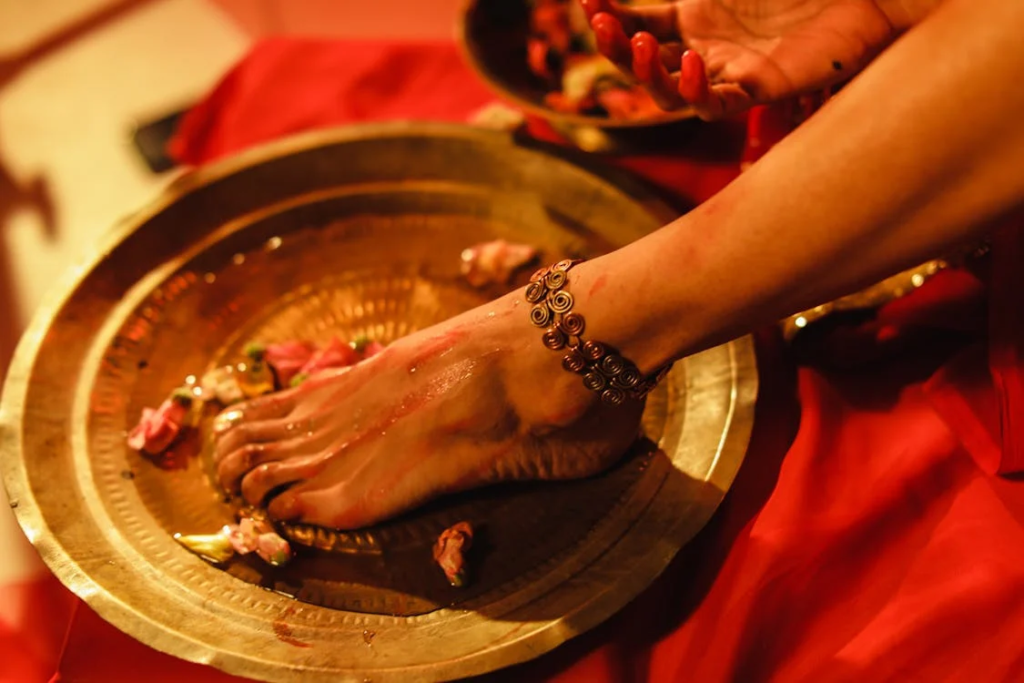
In India, anklets—known as “payal”—have been a key part of traditional attire for centuries. Often worn by married women, they signify marital status and cultural pride. Silver is preferred over gold due to sacred associations with the latter, and many anklets feature small bells believed to bring happiness and prosperity to the home.
African and Middle Eastern Traditions: Fertility and Protection
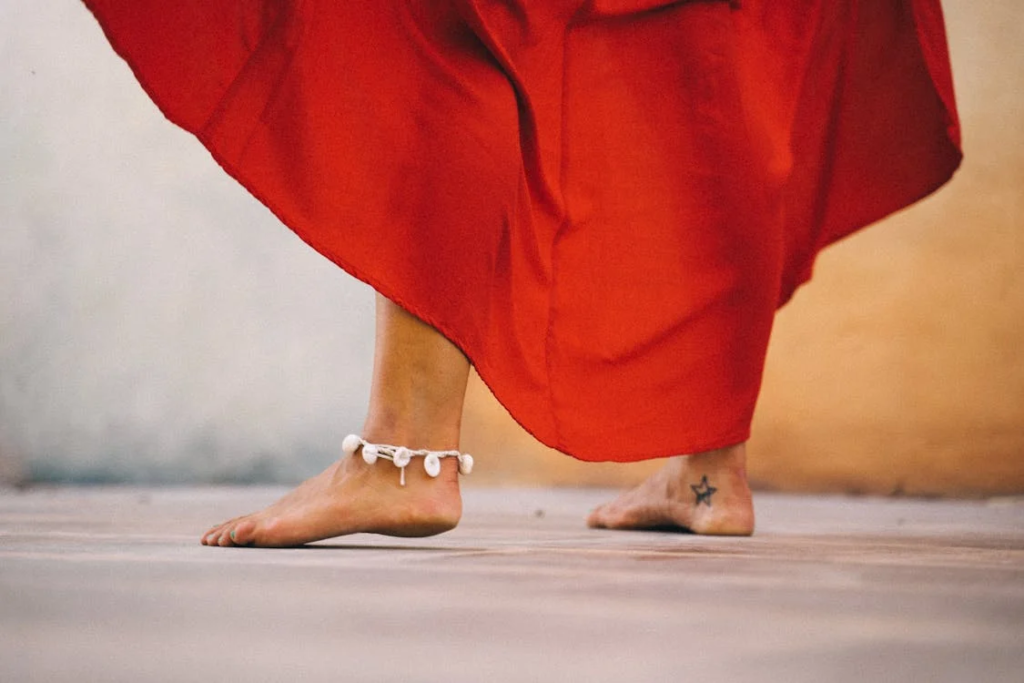
Across various African cultures, anklets hold deep symbolic meaning. Certain designs indicate marital status or fertility, with specific colors and patterns conveying community roles or personal milestones. Some anklets even incorporate symbols representing blessings like health, abundance, and fertility.
In the Middle East, anklets have long been associated with femininity and protection. Historically, dancers wore anklets with tiny bells that highlighted their movements while producing rhythmic sounds. Anklets featuring the “evil eye” motif were also popular as protective charms against envy and misfortune.
European Perspectives: Grace and Style

In Europe, anklets have symbolized elegance and allure. During the Victorian era, they were subtly worn beneath long skirts, conveying refinement and femininity. Today, European fashion embraces anklets as expressive accessories, pairing them with casual summer outfits or formal wear, blending traditional charm with modern flair.
Asian Interpretations: Spiritual Energy and Grounding

In parts of Asia, anklets are closely tied to spirituality and energy flow. Traditional Chinese medicine views the ankles as important points connecting the body to the earth, and anklets are thought to enhance balance and well-being. In Thailand, children sometimes wear anklets with small bells to protect them and help parents keep track of their movements.
Modern Meaning: Personal Expression

While anklets carry centuries of history, today they are often worn as personal statements rather than strict cultural symbols. In Western societies, anklets can represent freedom, sensuality, or simply a love of beautiful jewelry. Some even attribute subtle meanings to which ankle the piece is worn on—left for protection against negative energy, right for balance and personal identity.
Discovering the Significance of Anklets
From the sands of ancient Egypt to the streets of contemporary cities, anklets have remained a beloved adornment with cultural, spiritual, and personal significance. Whether worn for protection, tradition, or fashion, these timeless pieces continue to captivate. Learning about their rich history and diverse meanings deepens our appreciation for this unique and symbolic jewelry.