Stale Bread: How to Tell When It’s Safe to Eat and When to Throw It Away — A Must-Know Guide for Home Cooks
We’ve all had that moment of doubt. You reach into the bread bag, feel a very firm loaf, and notice the crust is hard to chew. The first question that pops into your head is:
“Is this still good… or should I toss it?”
It’s important to know that stale bread isn’t spoiled bread. Most of the time, it simply has lost moisture. Not only is it safe to eat, but it can also be a secret ingredient in many favorite recipes.
By understanding the difference between staleness and spoilage, you can stop throwing away perfectly good food and turn a hard baguette into a family favorite.
What Is Staling? (Hint: It’s Not Mold)
Staling is a natural chemical process. Moisture leaves the bread, and the starches harden, making it dry and less enjoyable straight from the bag.
Signs it’s stale but safe:
- No mold
- No off smell
- No slimy texture
If it’s just dry, it’s 100% safe to eat. In fact, professional chefs often use stale bread intentionally!
When It’s Safe to Eat (And How to Revive It)
If your bread is hard and dry but smells normal (like flour or yeast) and shows no spots, it’s just stale. Here’s how to refresh it:
| Method | How To Do It | Best For |
|---|---|---|
| Toasting | Slice and toast to desired crispness | Sandwiches, avocado toast |
| Oven Refresh | Sprinkle water on loaf, wrap in foil, bake 180°C (350°F) 10–15 min | Softening entire loaves |
| Microwave Steam | Wrap slice in damp paper towel, microwave 10–15 sec | Quick softening (eat immediately) |
| Slice & Freeze | Cut into slices before it gets too hard, freeze | Long-term storage |
When to Toss It (Signs of Spoilage)
Safety first—when in doubt, throw it out.
Toss bread immediately if you notice:
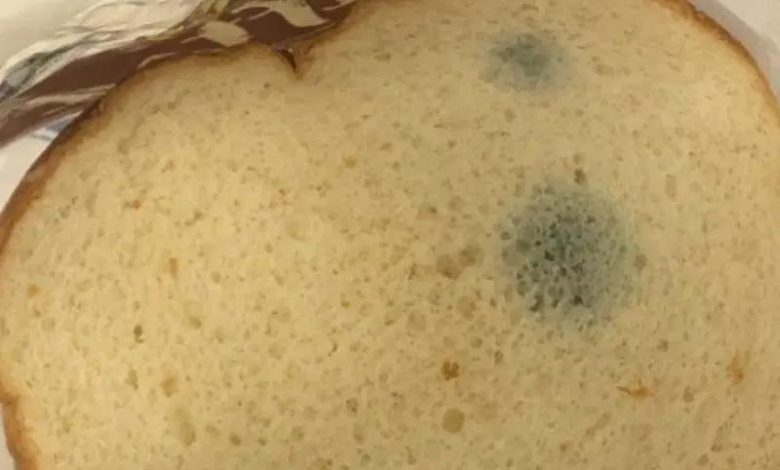
- Fuzzy spots: White, green, or black mold (roots can penetrate deep)
- Musty or sour smells: Signs of bacterial growth
- Slimy texture: Damp or slippery
- Dark specks: Early mold colonies
Never cut off mold and eat the rest. Bread is porous, and mold likely spreads invisibly.
Why Slightly Stale Bread Is Better for Cooking
That dry texture is a kitchen superpower because it soaks up liquids without falling apart:
- French Toast: Absorbs egg-milk mixture while staying firm
- Bread Pudding: Holds shape in custard
- Stuffing: Soaks up broth and herbs without getting mushy
- Croutons: Cubes crisp up perfectly in the oven
- Panade: Keeps meatloaf moist when soaked
How to Prevent Waste: Smart Storage
Keep your bread fresh longer with these tips:
- Room Temperature: Bread box or paper bag for 3–5 days
- Freezer: Best for up to 3 months
- Avoid the Fridge: Cold accelerates staling due to starch reactions
- Avoid Plastic on Counter: Traps moisture, promotes mold
Final Thought: Great Cooking Starts With Not Wasting Food
You don’t always need the freshest ingredients to create something amazing. Often, all it takes is:
“A stale loaf, a little creativity, and the courage to say: ‘I’m not throwing this away.’”
Resourcefulness is a beautiful skill. When you serve golden croutons or warm bread pudding, you’re not just making dinner—you’re transforming ordinary bread into something extraordinary.