Are You an Introvert or Extrovert? What Helping Waiters Clear Plates Reveals, According to Psychology
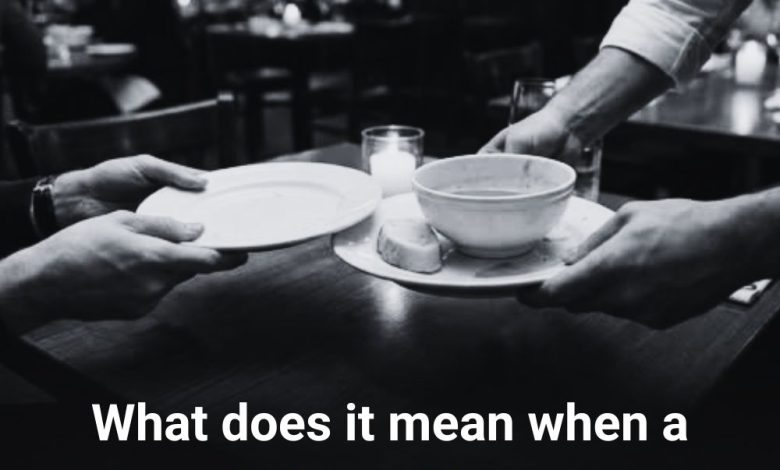
At first glance, offering to help waiters clear plates—whether at a family dinner, a café, or a formal event—might seem like a simple act of politeness. However, psychology suggests that this small gesture can reveal a lot about personality, social tendencies, and emotional habits. A common question arises: does doing this indicate introversion or extroversion? The answer is more complex than it seems.
Introvert or Extrovert? What Helping Waiters Clear Plates Reveals
1. The Introvert Angle: Reducing Social Pressure
Introverts often feel a bit uneasy when receiving attention or service. Having someone move around them closely can create mild discomfort. Helping clear plates is one way to ease that tension.
Why introverts might do it:
- Avoiding the spotlight: They prefer not to remain passive while someone hovers nearby.
- Promoting harmony: Contributing helps maintain emotional balance.
- Feeling useful: Assisting reduces the awkwardness of being “waited on.”
- Shortening interaction: Helping speeds up the process and minimizes small talk.
For introverts, the gesture is less about impressing others and more about maintaining personal comfort and control in social situations.
2. The Extrovert Angle: Showing Sociability and Warmth
Extroverts, on the other hand, often help waiters as a natural expression of their outgoing personality. They enjoy interaction and see the act as a chance to connect.
Why extroverts might do it:
- Building rapport: Chatting with staff feels natural.
- Demonstrating friendliness: Actions show warmth and openness.
- Enjoying teamwork: Collaborating energizes them.
- Making a positive impression: Gestures reinforce their image as considerate and likable.
For extroverts, the motivation comes from connection, not discomfort.
3. Who Does It More Often?
Both introverts and extroverts may help clear plates—but their reasons differ.
- Introverts: Often motivated by a desire to reduce social pressure or avoid overstimulation.
- Extroverts: Motivated by enjoyment of interaction and social energy.
The behavior itself doesn’t define personality; the underlying motivation does.
4. The Psychological Insight: Internal vs. External Motivation
Personality research emphasizes that introversion and extroversion reflect where mental energy is focused:
- Introverts: Internally motivated — “I want to feel more comfortable.”
- Extroverts: Externally motivated — “I want to connect with others.”
Two people may perform the same action, but their reasons can be entirely different.
5. What This Gesture Really Shows
Helping waiters clear plates highlights qualities that go beyond introvert-extrovert labels:
- Empathy
- Thoughtfulness
- Awareness of others’ workload
- Desire to maintain a pleasant atmosphere
Whether done by an introvert to ease internal tension or an extrovert to express friendliness, the gesture ultimately reflects kindness—and that matters more than any personality label.