Getting to Know Your Cat: Why It Rubs and Scratches Against You
Understanding Your Cat: Why It Rubs and Scratches Against You
Cats are fascinating and often contradictory pets. Even the most devoted cat lovers will agree that their feline companions can have a “hot-and-cold” personality. Some cats are extremely affectionate, eagerly seeking cuddles from almost everyone they meet—but these are the exception. Most cat owners face the fun challenge of decoding their pet’s sometimes finicky behavior. Learning the basics of feline body language can make bonding easier and interactions more enjoyable.
Why Cats Rub Against You
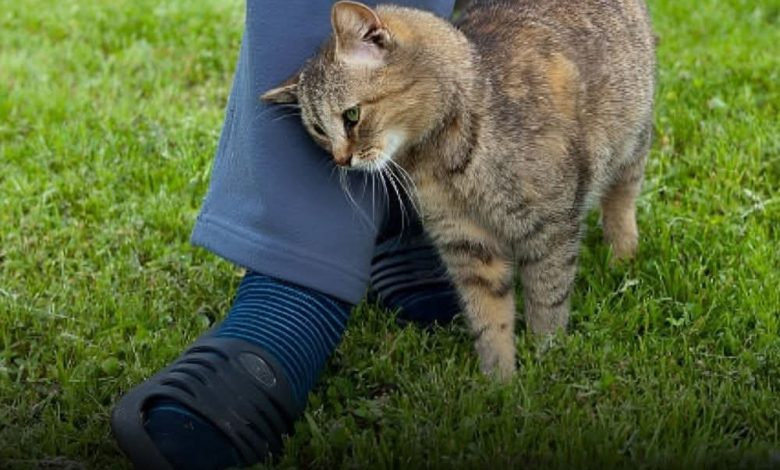
One of the most common—and often confusing—behaviors is a cat rubbing against you, also called “bunting.” Understanding why your cat does this can help you appreciate its unique communication style.
Building Trust and Affection
Forming a strong bond with a cat takes patience. Depending on the cat’s personality and background, it may take months—or even years—to develop a deep, trusting relationship.
Every cat is unique, so there isn’t a one-size-fits-all “cat behavior dictionary.” However, certain instincts drive similar behaviors when expressing affection, fear, aggression, or curiosity. Observing your cat closely is key to understanding its personal cues.
The Science of Bunting
When a cat rubs against humans, other animals, or objects, it’s a form of communication. Most of the time, it’s positive, but it’s more than just affection.
Cats have scent glands on their faces, heads, and at the base of their tails. These glands release pheromones, which cats use to mark territory. By rubbing or bunting, a cat is leaving its personal scent, signaling comfort and ownership.
This behavior often serves as a friendly greeting. Dr. Tomeshia Hubbard, DVM, explains that whiskers (vibrissae) act as sensory organs that help cats show affection toward humans.
Rubbing is therefore both affectionate and territorial. It signals that the cat considers you—or an object—part of its environment. Since pheromones fade over time, cats regularly reapply them, which is why your cat may greet you immediately after you return home—not just to say hello, but to re-mark its territory.
Greeting, Investigation, or Concern?
Sometimes bunting is investigative. Cats may rub objects or people to explore and gather information, similar to how human babies explore with their hands and mouths. In this case, rubbing doesn’t necessarily mean affection. It’s wise to wait for additional signs before attempting to pet a newly met cat.
Cats can also use rubbing to communicate needs, much like humans point with fingers. For example:
- Rubbing a kitchen cabinet could indicate hunger.
- Rubbing a door might signal a desire to go outside.
- Aggressive headbutts could indicate discomfort or a need for attention.
When to Consult a Veterinarian
If your cat starts rubbing or bunting aggressively, or shows other changes in behavior, consult a veterinarian. Signs of possible health issues include weight loss, vomiting, diarrhea, hair loss, appetite changes, excessive scratching, or overgrooming. Conditions like allergies, fleas, ear infections, or hypersensitivity disorder can trigger excessive rubbing.
Other Common Cat Behaviors
The Misunderstood Tail Wag
Unlike dogs, a rapidly moving cat tail can indicate excitement, annoyance, or frustration. A focused, twitching tail may signal readiness to pounce on a toy or prey.
Knocking Things Off Tables
Cats knocking objects off counters is normal. It’s a way to play, explore, express boredom, or demand attention.
The Belly Rub Trap
When a cat exposes its belly, it’s a sign of trust, not necessarily an invitation for petting. Dr. Sam Meisler, DVM, notes that touching the belly can provoke a bite or scratch. Respecting boundaries builds trust and closeness.
By learning to interpret these signals—from affectionate rubs to a flicking tail—you can deepen your connection and better understand your unique feline companion.