Harmful if made wrong: a hidden risk in a globally popular food
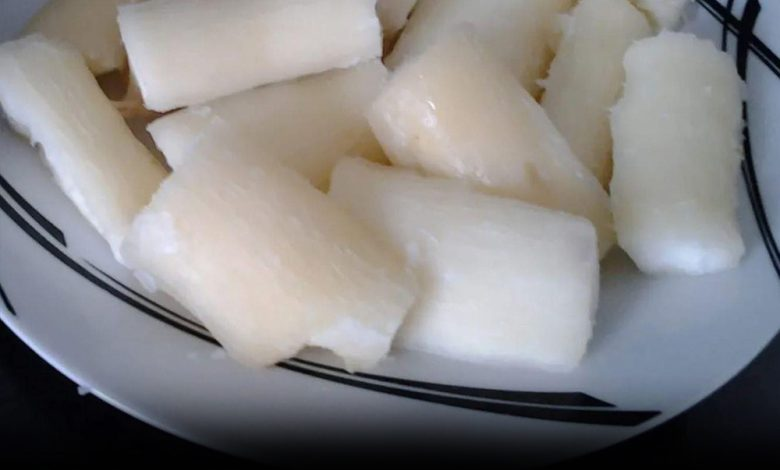
Toxic if Mishandled: The Hidden Risk of a Popular Global Food
Why Cassava Requires Careful Handling
Cassava is a staple on tables from Brazil to Vietnam. But few know that if it’s not prepared correctly, this simple root can release cyanide. Improper processing has caused poisoning outbreaks and even led to a neurological condition called konzo.
The Good News: Proper, traditional preparation eliminates the danger—leaving only taste and nutrition.
What Makes Cassava Dangerous?
- The “bitter” variety contains high levels of cyanogenic compounds.
- Grating or chewing triggers enzymes that release cyanide—the same toxin featured in spy thrillers.
- Without adequate boiling or fermentation, the toxin stays in the food.
Why Poisoning Happens
- Limited fuel or water for cooking in low-income areas.
- Emergency harvests during famines.
- Loss of traditional preparation knowledge.

Konzo: The Overlooked Disease
In parts of Africa where diets lack protein, eating poorly prepared cassava repeatedly can lead to konzo. Cyanide harms the nervous system, causing sudden leg weakness and, in severe cases, permanent disability.
Making Cassava Safe
- Peel Completely – Most toxins are in the skin.
- Soak or Ferment – Grate or slice the root, then cover with clean water for 1–2 days. In northern Brazil, this method is used to make farinha d’água (cassava flour).
- Cook Thoroughly – Boil for at least 20 minutes to neutralize toxins. Never eat raw cassava.
- Add Protein – Pairing with eggs, fish, or beans helps the body detoxify cyanide.
When Cassava Becomes Dangerous
Severe cases usually occur under extreme conditions like drought, war, or poverty. In communities where culinary traditions remain strong, mistakes are rare. Reinforcing safe preparation methods in public health resources is still crucial.

The Healthy Side of Cassava
- Rich in complex carbohydrates.
- Gluten-free and a source of soluble fiber.
- Great for soft cakes, wheat-free breads, and crispy fried cassava.
With proper preparation—peeling, fermenting, boiling, and balanced meals—cassava goes from hidden hazard to safe, versatile, and tasty. Tradition and science together make it a nutritious ally in everyday diets.